Secrets of the Welsh Women’s Peace Petition
For around two years now, I have been volunteering on the Welsh Women’s Peace Petition at the National Library of Wales, either transcribing names and addresses or reviewing the work of other participants prior to publication.
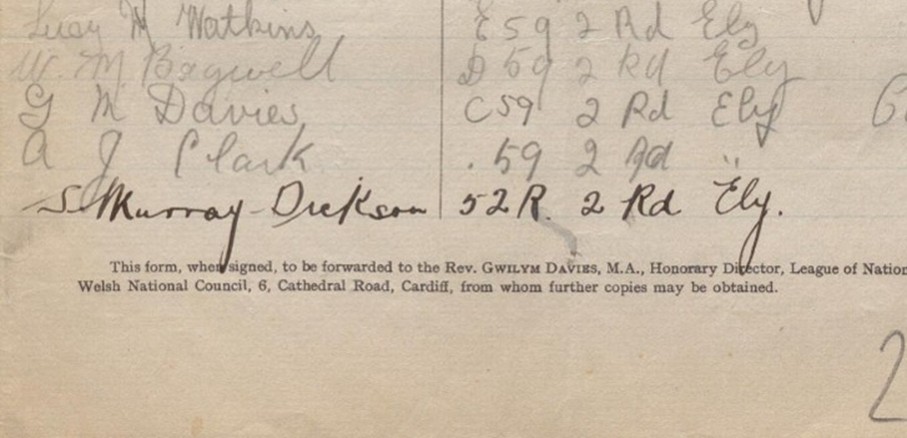
One of the most interesting parts of working on the Petition was when I came across addresses like:
Edith Thompson 30R 12Rd Ely
Clara Radford C58 12Rd Ely
G M Davies C59 2 Rd Ely
These were addresses the likes of which I had not seen in the petition before – or indeed in the Census either. They all related to the Ely area of Cardiff and a little research soon suggested that this anomaly represented a unique event that had been captured by the Petition, purely because it had been compiled in 1923.
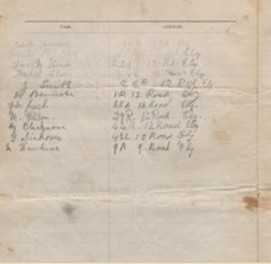
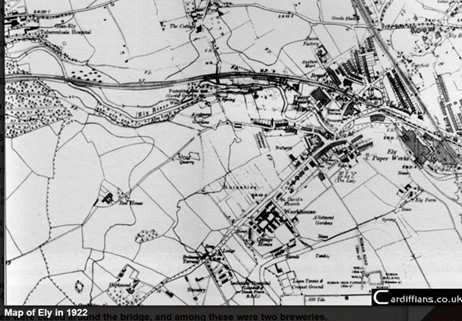
Ely has a long history, with settlement around the river Ely dating back to at least the Roman period, though in the mid-19th Century it was still being described as ‘a small village in the parish of Llandaff’. However, in 1922 Cardiff City Council purchased the areas of Red House Farm and Green Farm north of Cowbridge Road and proceeded to build over 3,000 council houses within two years, constructed under the higher standards of the Addison Housing Act of 1919, generally known as ‘Homes fit for Heroes’, part of the Lloyd George Coalition’s package of measures after the First World War. The Ely houses were built by Bright & Addicott and had ‘all mod cons’ even including electric light. They were obviously in high demand, with priority given to families already living in overcrowded conditions.
So these entries in the Women’s Peace Petition represented the first families moving into these new houses – at a time that the road they lived in had not even been named, they were simply ‘Road 2’ or ‘Road 12’ and their address simply represented the description of where they were on that road – 30th house on the right hand side of the road, or 52nd house on the left, for example. Those with letters as well, such as C59, D59 and E59 2 Road may perhaps represent flats or floors at a particular address, but further research may confirm that. Further research on the names at those addresses in the petition may also confirm where the people had come from and, indeed, where they were originally born.
Certainly, this story would have remained hidden had it not been for the women gathering signatures on the new council estate constructed on the former farmlands of Red House and Green farms in Ely in 1923!
REFERENCES & RESOURCES
The Welsh Women’s Peace Petition – National Library of Wales
The history of the suburb of Ely – Cardiffians.co.uk
Housing the Heroes – The 1919 Housing Act | Hist Env Scotland