Ernie Husson Photography Collection: Capturing Generations of Life in Powys
Ernie Husson: the Man Behind the Camera
Spanning more than four decades, the Ernie Husson Photography Collection offers a unique visual record of life in Powys. From major public events to everyday community activities, the photographs capture generations of local people and help preserve the county’s social history for the future.
Ernie Husson was born in South Wales in the 1940s and moved to Powys in 1968.
Alongside his work as a photojournalist for the Brecon and Radnor Express, Ernie and his wife, Pheone, ran the Marina Gallery, a gift shop and photography studio in Llandrindod Wells. They retired when the gallery closed on 31 December 2020, after more than 50 years in business and as active members of the Powys community. In 2020, Ernie received the Silver Kite award, which recognises Powys residents who have provided remarkable service to the county during their lifetime.
A search for Ernie Husson’s name will often highlight his role as the first photographer at the scene of the Aberfan disaster, the national tragedy that saw the lives of 116 children and 28 adults taken by a spoil tip landslide. However, people across Powys are also likely to remember Ernie more personally, as a familiar and active member of their local community.
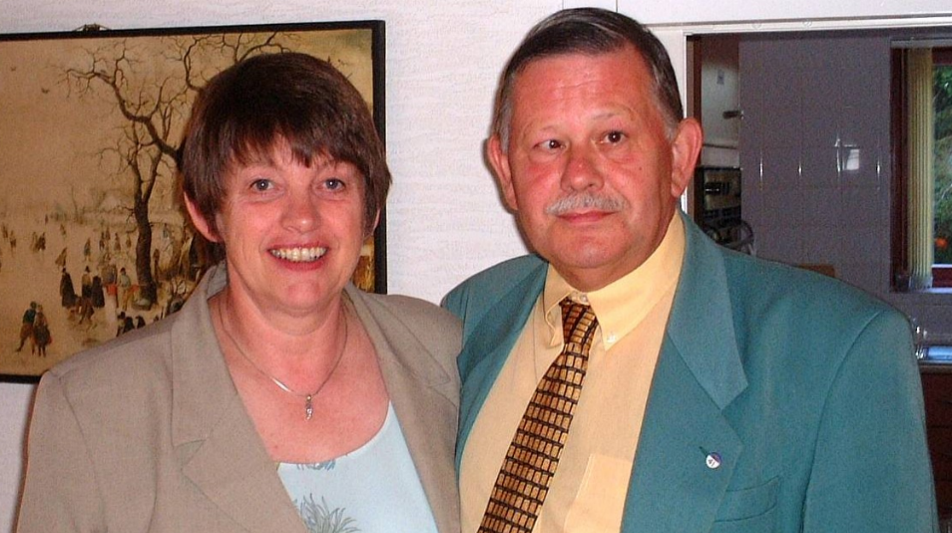
Local people may remember Ernie for taking their passport photographs or arriving at events across the county with his camera and famous stepladder.
Ernie Husson is an example of a photographer who has created a historically valuable and in-depth representation of culture in an area through image, a focused and comprehensive catalogue of Powys local culture and people.
About the Collection
Carnivals, Cheque Presentations, St David’s Day, Remembrance Sunday, The Royal Welsh Show, Sports, Schools, Women’s Institute, Young Farmers Club, Rotary, Tangent, Round Table, 41 Club, Soroptimist, Victorian Festival, are just SOME examples of events and clubs that he would photograph every single year. His collection of images is a time capsule to how events and people have not only evolved, but how, in many ways, they have stayed the same.
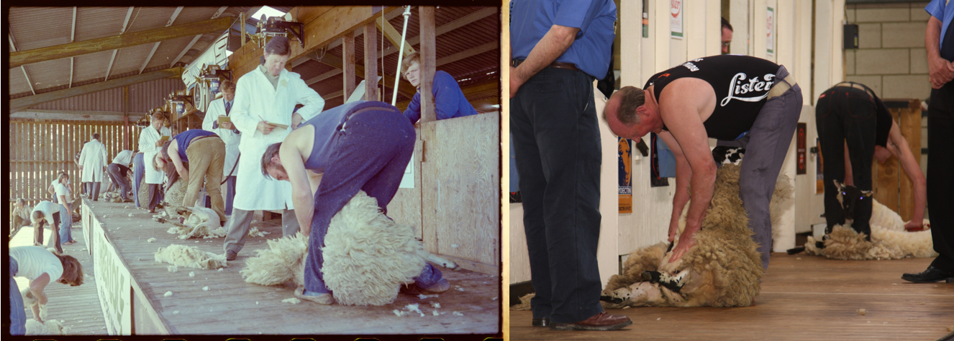
Despite being the largest county in Wales by area, Powys is one of the most sparsely populated. Its small rural communities are spread across large areas of hilly and mountainous land, and limited transport links can make it difficult for people in different parts of the county to connect. Ernie’s photographs provide a shared record of Powys’s social heritage, capturing the events, groups and community activities that have brought people together across the county over time.
The collection primarily features photographs of people. Much of its value comes from local people recognising those pictured and providing their names, helping to ensure that individuals and their stories are not forgotten.
Digital Access and the Archive
Ernie gifted his collection to Powys Archives in 2024. It features 40 boxes of photographic negatives, 297 CDs, and eight logbooks detailing the titles and dates of every image set from the years 1969 to 2014. In 2026, Powys Archives received Welsh Government grant funding to catalogue, digitally preserve, repackage and promote the collection, as well as to appoint an archivist to carry out the work.
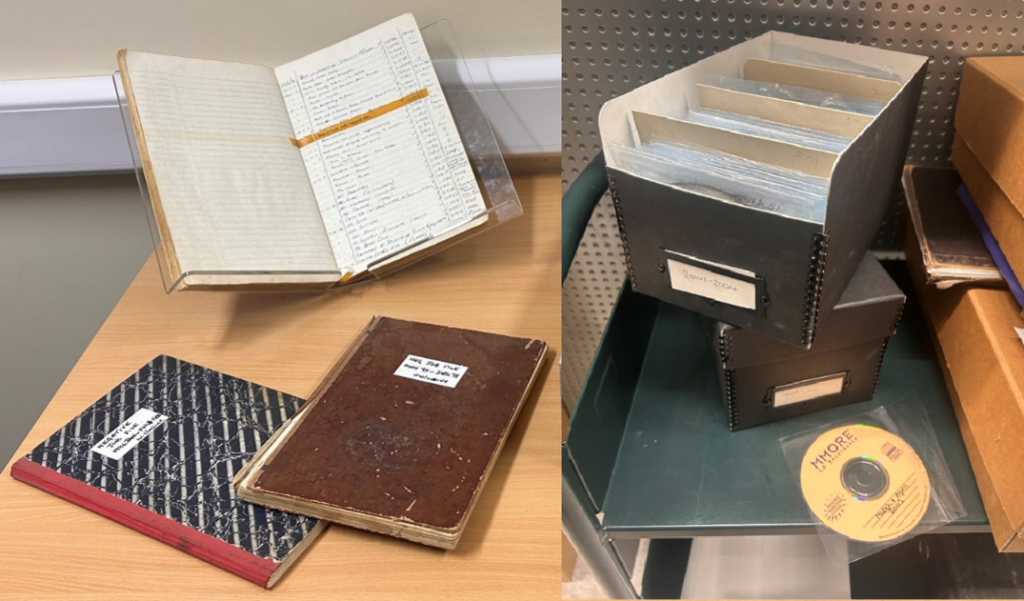
Due to the large number of negatives that required scanning, they were sent off to an external organisation specialising in heritage collections for digitisation.
At the time of writing, we do not have the negatives back. However, the CDs have allowed us to make preservation efforts for the years 2001 to 2014. We have moved the CD images onto two hard drives and created a temporary catalogue of what each CD contains and how they compare to the information in the Logbooks. The main catalogue on CALM, as according to the titles in the Logbooks, is ongoing.
We have also been using Preservica to further ingest those CD images into another location as per DPC RAM, this being our first venture into the digital preservation software as an archive, and our first larger scale digitisation and digital preservation project. Our main goals for the project have been digitisation of the images, digital preservation of those digitised images, and accessibility through both our online catalogue, and Preservica. More recently we have been able to apply EAD standard metadata to all appraised images from 2001 to 2014 (of which we have 25,198) with around 80,000 un-appraised, which we still retain on hard drives for the purpose of access.
Public Outreach
Engaging with local people has been a central part of the project. Through visits from community groups, we found that recognising people in the photographs was one of the collection’s strongest appeals. Local knowledge can help us fill gaps by identifying those pictured, while also ensuring that friends, family members and neighbours are remembered. We are keen to give people further opportunities to contribute this knowledge.
We have shared updates about the collection on the StoriPowys Facebook page and displayed photographs at an open day held as part of Cadw’s annual Open Doors event. Visitors were invited to write the names of anyone they recognised on forms placed beneath the images. The activity received a very positive response, and visitors expressed interest in further opportunities to help identify people in older photographs.
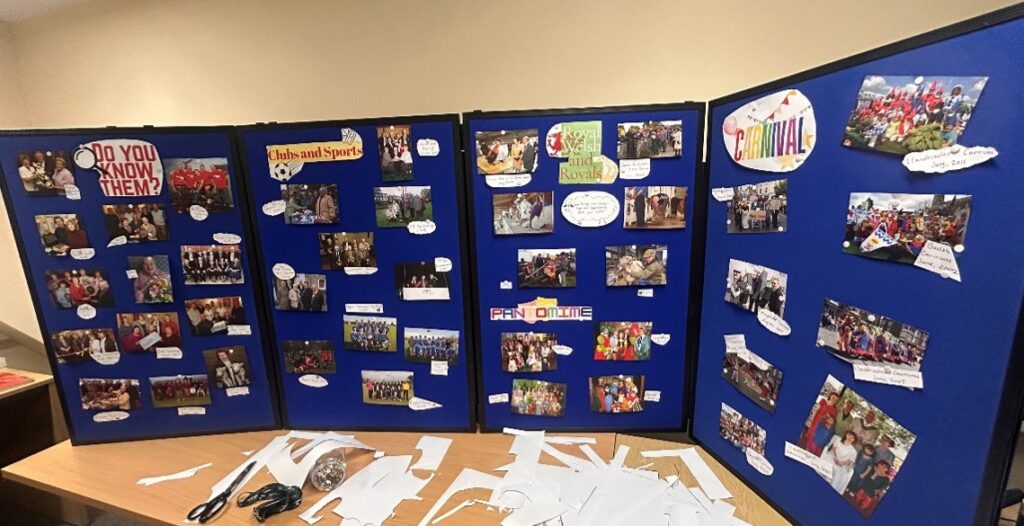
Going forward we plan to have a full exhibition of the whole collection at Radnorshire Museum, Llandrindod Wells in February/March 2027.
Further Information
- For more information about the collection or to enquire about access, contact Powys Archives at archive@powys.gov.uk.
- Search the Powys Archives online catalogue: Powys Archives Catalogue – Catalog Archifau Powys